
Climate Zones and What They Mean for Plant Selection
Italy spans several distinct climate zones. The Po Valley and northern cities such as Milan and Turin experience cold winters and humid summers, while Rome sits in a transitional Mediterranean climate with warm, dry summers. Southern Italy and Sicily face prolonged heat and drought from June through September.
These differences affect which species remain productive on rooftops across the growing season. In northern Italy, plants with early spring flowering periods—such as Aubrieta or Erysimum—are particularly useful. In the south, deeply drought-adapted species that flower in summer remain viable when most ornamentals have shut down.
Species Suitable for Exposed Rooftop Substrates
The following plants are selected on the basis of three criteria: tolerance of shallow or lightweight substrates, verified attractiveness to native Italian pollinators, and reasonable availability in the Italian horticultural market.
Lavandula angustifolia (English Lavender)
Lavender remains the most consistently recommended rooftop pollinator plant across Italian regions. It tolerates alkaline substrates, resists drought, and produces nectar of high nutritional value for bees. On rooftops in Rome and Florence, lavender typically flowers from early June through August if not cut back. In Milan and cities north of the Po, it may start blooming from mid-May onwards.
Key practical notes: lavender requires excellent drainage and will fail in waterlogged substrate. It performs best in a minimum of 20 cm of substrate but can survive in 15 cm with irrigation support during extreme heat. Cultivars with compact habits—such as 'Hidcote' or 'Munstead'—suit container and tray systems common on terraces.
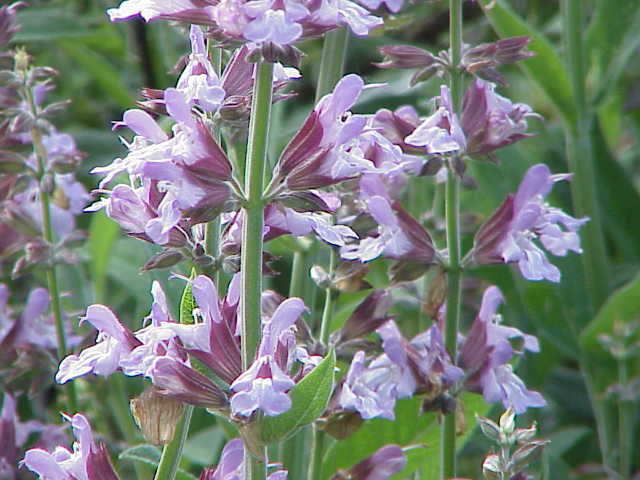
Salvia officinalis (Common Sage)
Common sage provides a two-lipped flower structure that selects for medium-to-large bee species, including bumblebees and some solitary species in the Anthophora genus. It blooms May–June in most Italian locations. In southern Italy, a second flush is sometimes observed in September if plants are cut back after the first flowering.
Sage is more tolerant of clay-amended substrates than lavender, making it useful in mixed rooftop plantings where drainage is less extreme. Minimum substrate depth: approximately 15–20 cm.
Thymus vulgaris (Common Thyme)

Thyme is distinctive because it can establish in very shallow substrates—sometimes as little as 8–10 cm—while still producing an abundance of small flowers highly visited by diverse bee species. Bloom period in Italy typically runs April through June. It attracts a high number of small native solitary bees that are less well served by larger-flowered species.
On green roofs and flat terraces, thyme works well as a ground-layer component in combination with taller shrubs such as lavender or sage. It tolerates foot traffic on terraces with protective grid systems.
Origanum vulgare (Wild Oregano)
Oregano flowers from July through September, covering the period when many other Mediterranean plants have finished blooming. This makes it a critical late-summer resource in Italian urban settings. The dense clusters of small pink or white flowers are visited by honey bees, bumblebees, and numerous hoverfly species.
Wild oregano is more cold-hardy than common sage and performs reliably in northern Italian cities. It can spread aggressively in contained rooftop systems, so periodic cutting is needed.
Echinacea purpurea (Purple Coneflower)

Although not native to Italy, Echinacea purpurea has become a reliable component in northern Italian rooftop plantings. It requires deeper substrate—at least 25–30 cm—but provides a long bloom period from July through September and is visited by a wide range of pollinators including butterflies and large bees.
Its upright habit and resistance to wind make it suitable for exposed positions. It is herbaceous and dies back in winter, leaving space for early-spring bulbs in mixed plantings.
Substrate and Structural Considerations
The weight of substrate is the primary structural constraint on rooftop planting in Italy. Most established building codes and structural assessments place limits on added load that affect the minimum viable substrate depth. Lightweight expanded clay (LECA), volcanic pumice, and specific commercial green-roof substrates can reduce weight while maintaining adequate drainage and nutrient retention.
A minimum of 10–12 cm allows establishment of thyme and sedum species. A depth of 20–25 cm opens up lavender, sage, and small ornamental grasses. Beyond 30 cm, a broader palette becomes available including Echinacea and small shrubs.
Bloom Calendar for Northern and Central Italy
| Species | Bloom Period (North/Central) | Primary Visitors |
|---|---|---|
| Thymus vulgaris | April – June | Small solitary bees, honey bee |
| Salvia officinalis | May – June | Bumblebees, Anthophora spp. |
| Lavandula angustifolia | June – August | Honey bee, bumblebees, solitary bees |
| Echinacea purpurea | July – September | Bumblebees, butterflies, hoverflies |
| Origanum vulgare | July – September | Honey bee, small bees, hoverflies |